The Role of Physical Security Guard Services in Government Facilities


Understanding the Importance of Physical Security Guards
In government facilities, the presence of physical security guards is not just a precautionary measure—it's a necessity. These locations often contain sensitive information and critical resources that require vigilant protection. The role of security guards in these environments extends beyond mere surveillance; they are vital in maintaining the integrity and safety of the premises.
Security guards provide a physical presence that acts as a deterrent to potential threats. Their visibility alone can prevent unauthorized access and discourage criminal activities. In addition, they are trained to respond swiftly and effectively to any incidents, ensuring that situations are contained and managed promptly.

Key Responsibilities of Security Guards in Government Facilities
Security guards in government facilities have a variety of responsibilities tailored to the unique needs of their environment. Their duties include:
- Conducting regular patrols to monitor for suspicious activity.
- Controlling access points to ensure only authorized personnel enter the premises.
- Coordinating with emergency services during incidents.
- Operating surveillance equipment to monitor for potential security breaches.
These responsibilities require security guards to be highly trained in both technical skills and interpersonal communication, enabling them to handle diverse situations effectively.
The Impact of Technology on Physical Security
Technology plays an increasingly significant role in enhancing the capabilities of physical security guard services. From advanced surveillance systems to biometric access controls, technological tools improve the efficiency and effectiveness of security measures. Security guards are often tasked with managing these technologies, ensuring they function correctly and integrating them into their daily routines.

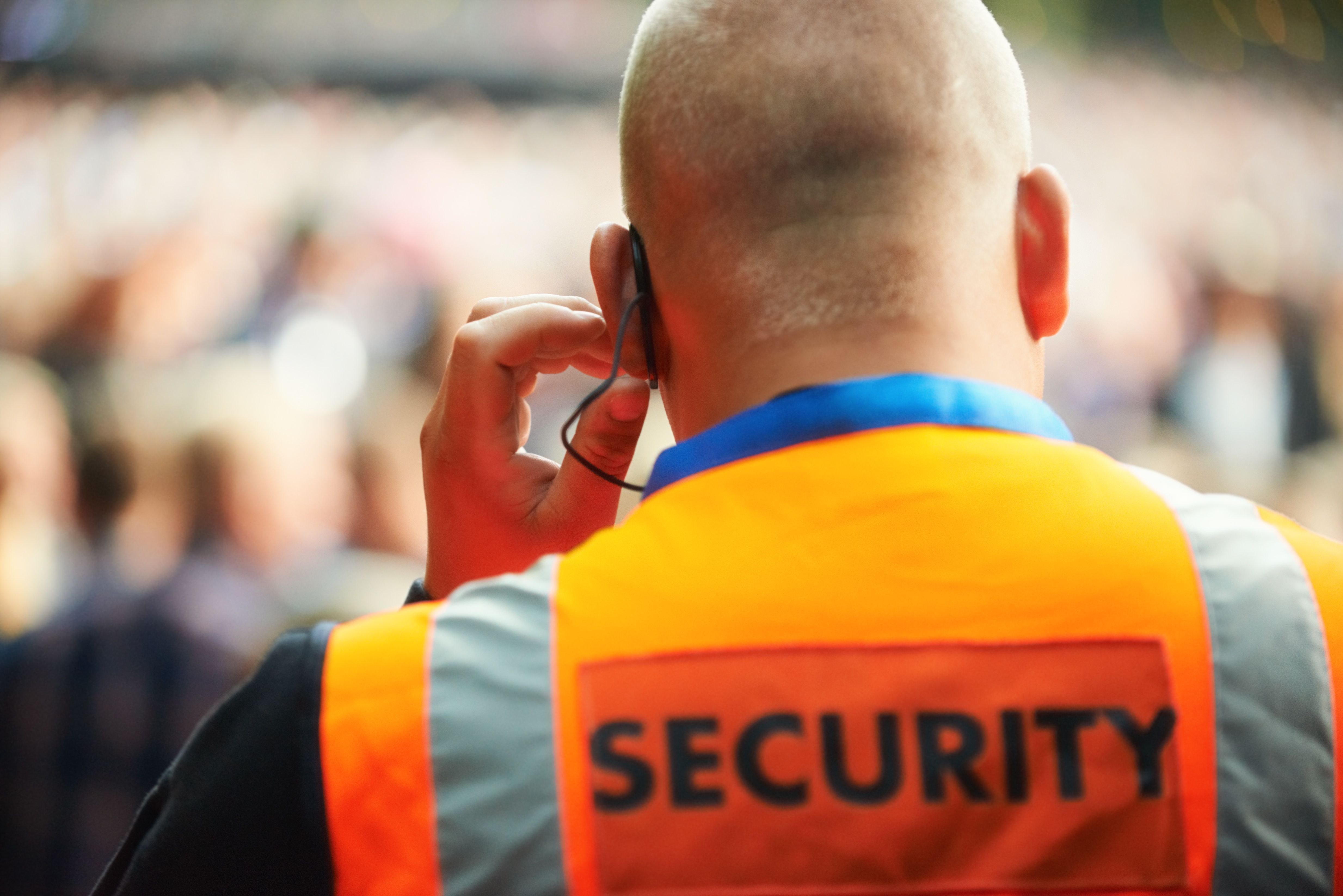
Moreover, real-time communication devices allow security personnel to stay connected with each other and central command centers. This connectivity ensures that any potential threats are addressed swiftly and that information is disseminated accurately across the team.
The Human Element in Security Operations
Despite the advantages of technology, the human element remains irreplaceable in security operations. Security guards bring a level of intuition and judgment that machines cannot replicate. Their ability to assess situations, understand human behavior, and make quick decisions is crucial in preventing and responding to incidents.
The presence of a human security guard also provides comfort and reassurance to employees and visitors within government facilities. Their presence fosters a sense of safety and order, which is essential for maintaining a productive and secure environment.
Challenges Faced by Security Guards in Government Facilities
Working as a security guard in government facilities comes with its own set of challenges. Guards must remain vigilant at all times, often working long hours under high-pressure conditions. They must also navigate complex environments with multiple high-security areas and ever-evolving threats.
Additionally, security personnel must stay updated on new protocols, technologies, and threat assessments to perform their duties effectively. Continuous training and support from their organizations are crucial in helping them meet these challenges successfully.
The Future of Physical Security Guard Services
The future of physical security guard services in government facilities is likely to see an even greater integration of technology. As threats evolve, so too will the methods for addressing them. Security guards will continue to play a pivotal role in adapting and implementing these advancements, ensuring the safety and security of government facilities remain uncompromised.
In conclusion, physical security guard services are an indispensable component of government facility operations. Through their presence, expertise, and adaptability, they protect critical assets while ensuring a safe environment for all who work within or visit these crucial sites.